Carmela Garcia

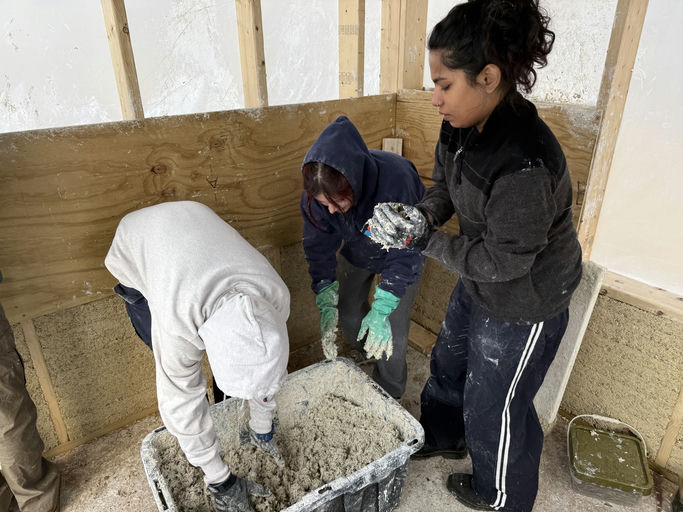
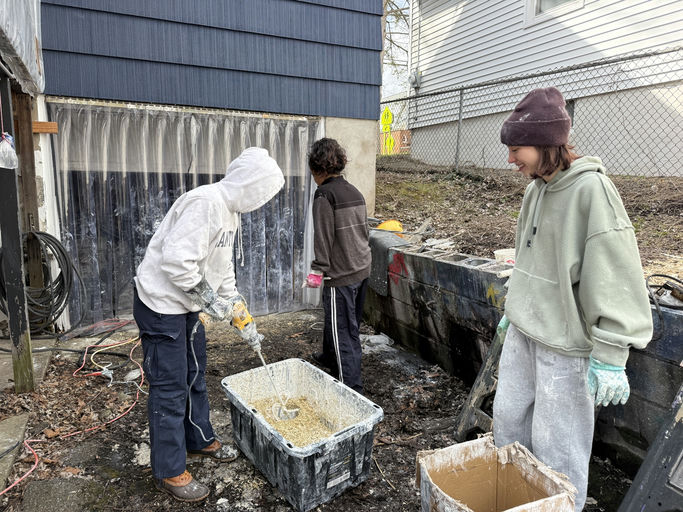
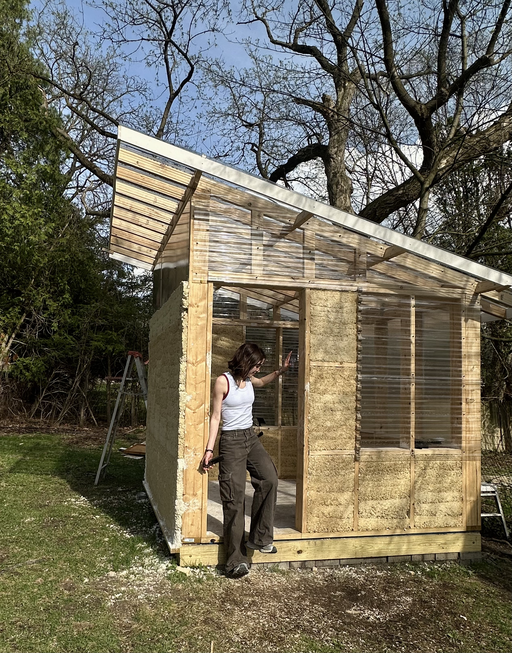
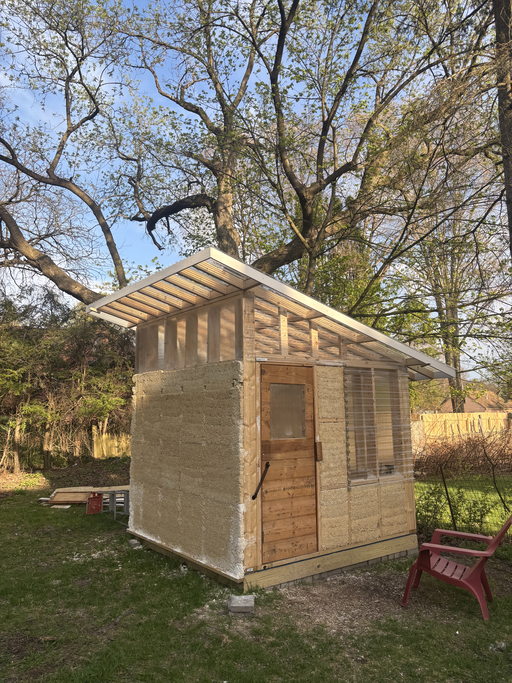
Earning the Academic Enhancement Grant gave me the financial support to move my bio-material research from the planning stage into hands-on application. The funding allowed me to purchase hemp sourced from Colorado, along with lime and other essential building materials, making it possible to explore hempcrete construction using high-quality resources. Rather than simply studying sustainable building methods in the classroom, I gained firsthand experience mixing, placing, and working with hemp-lime materials throughout the construction process of the hempcrete greenhouse (Hempington Manor).This immersive experience strengthened my understanding of sustainable construction techniques, material performance, and the practical challenges of building with natural materials. The opportunity not only advanced my technical skills but also reinforced the value of experiential learning, demonstrating how targeted funding can transform an academic interest into meaningful, real-world experience.
One of the most surprising aspects of this experience was the true cost of building with hemp-based materials. While hempcrete is often discussed as a sustainable and environmentally friendly alternative, I quickly learned that sourcing hemp from Colorado and purchasing the necessary lime significantly increased project costs, with shipping alone representing a major expense. This highlighted one of the biggest barriers to wider public adoption: sustainable materials are often difficult and expensive to access, even when the construction methods themselves are relatively straightforward. The experience showed me that broader implementation will require stronger partnerships between farmers, processors, architects, and builders to create more localized supply chains and reduce transportation costs. Seeing these challenges firsthand gave me a deeper appreciation for the economic and logistical factors that influence whether sustainable building materials can become practical options for everyday construction.
My future plans are to continue collaborating with hempcrete researchers, builders, manufacturers, and other professionals across the United States to advance the use of hemp-lime construction. By building relationships with those already working in the field, I hope to contribute to research, share practical knowledge, and help develop more efficient and accessible construction methods. I also want to advocate for stronger connections between farmers, material producers, architects, and builders to create regional supply chains that reduce costs and increase availability. Through continued education, hands-on experience, and professional collaboration, I aim to help bring hempcrete into the broader public eye and demonstrate its potential as a practical, sustainable building material for communities across the country.
The award funded the purchase of the primary construction materials required for the project, including hemp hurd sourced from Colorado, hydrated lime, wooden 2×4 framing lumber, and roofing materials. It also covered shipping costs, which represented a significant portion of the project’s overall expense. Providing these essential materials was critical because it allowed the project to move from a conceptual design into a fully constructed, hands-on learning experience. Having access to high-quality materials enabled me to gain practical experience with hemp-lime construction, better understand the properties and performance of biomaterials, and evaluate the real-world challenges associated with sourcing and building sustainably. Without this support, the project would have remained an idea rather than becoming an opportunity to develop technical skills, conduct meaningful experimentation, and demonstrate the potential of hempcrete as a viable building material.
This experience reinforced my commitment to pursuing a career focused on sustainable and accessible building materials. Working directly with hemp-lime construction showed me the potential of biomaterials to reduce the environmental impact of the built environment, but it also exposed the economic barriers that prevent these solutions from reaching the people who could benefit from them most. Rather than viewing biomaterials as a niche option for high-end or experimental projects, I want to help make them practical and affordable for everyday housing and community development. My professional goal is to contribute to research, design, and construction practices that improve access to sustainable materials, particularly for underserved communities and those who cannot afford conventional or premium green building options. I hope to help bridge the gap between innovation and accessibility so that environmentally responsible construction benefits society as a whole, not just those with the financial means to pursue it.
This project would not have been possible without the support of several individuals who contributed their expertise, guidance, and time. My thesis advisor, Dr. Sewoong Kim, provided invaluable mentorship throughout the research and development process, while my thesis reader, Dr. Mark Povinelli, offered thoughtful feedback that strengthened the project. My father generously shared his construction knowledge and hands-on experience, helping me successfully complete the building process. I am also grateful to my friends, who volunteered their time and effort to assist with construction and make the project a reality. Their collective support played a vital role in the success of this endeavor.