Vítor Kobbaz Ferreira
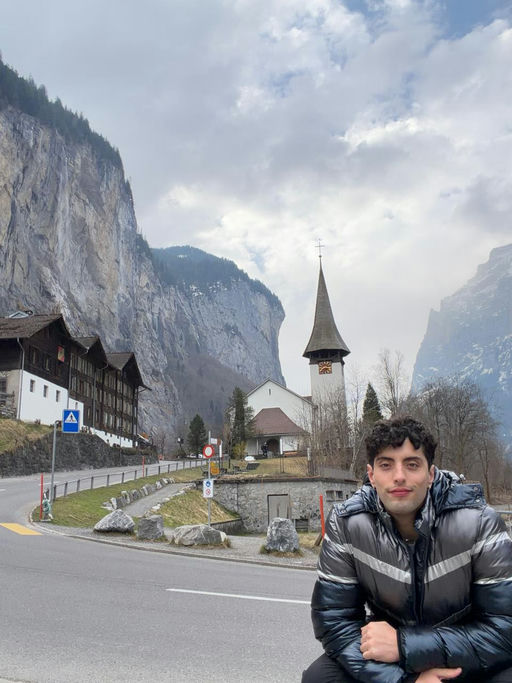
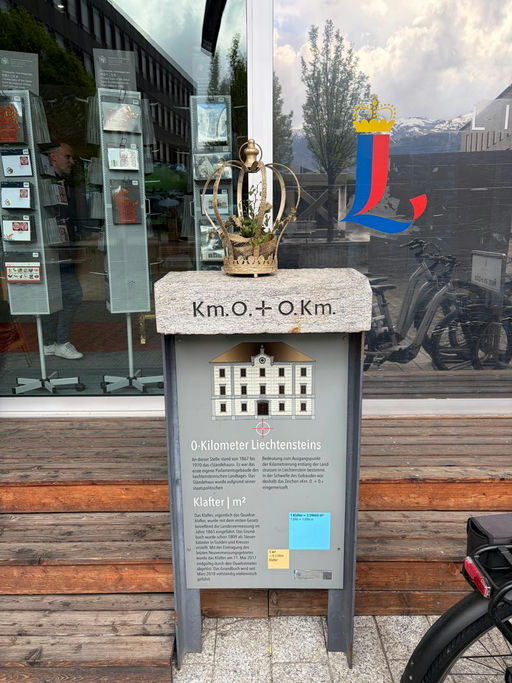
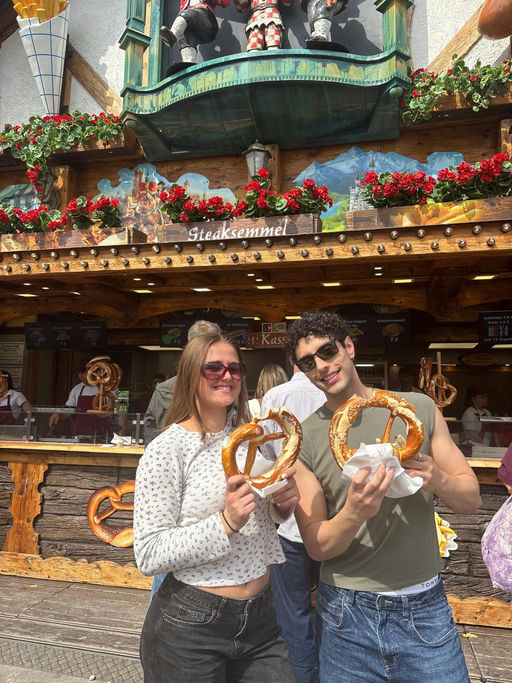
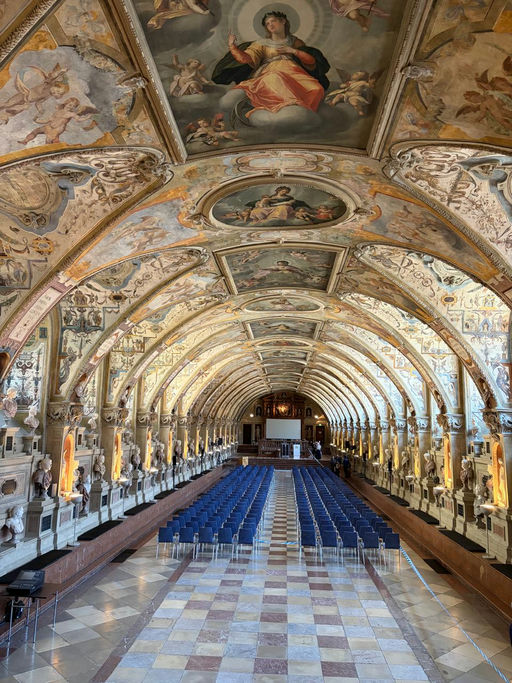
I tried to have a very multidisciplinary and transversal approach with my German learning process during my semester abroad in Strasbourg, but I will describe two of my main “works.” The first type of analytical and experiential approach I took was visiting every Germanophone country in Europe: I went, of course, to Germany a couple of times to attend cultural events such as the Frühlingsfest (spring fest) in Munich, as well as Switzerland, Lichtenstein, Austria, and Belgium (did not notice German influence there because only a very small minority speaks it there, just like in Luxembourg, where I had gone a few years prior). I decided to do that as a way to analyze the regional language variation and my ability to communicate nevertheless but also to get a wider dimension of how German culture can vary regionally as well. This is because I believe that when I am learning a language, I am learning a culture (or multiple cultures) too and the mere fact of learning the culture complements and facilitates the language learning process.
The second main work I did was with a class at the Sciences Po in the University of Strasbourg called “Actualité des RI” (Current events in International Relations): my partner and I did research on media outlets from Switzerland. He focused on the French part of the country, whereas I focused on the German part, following news in German. We compared and contrasted the types of news, their foundations, approaches, and content from each region and submitted a 10-page analytical paper. Thankfully, the grant award allowed me to go to Switzerland twice, where I bought physical newspapers from the journals I was following (helped complement my method of research and offered a more concrete approach in studying the country as opposed to the rest of the research mostly done on-line). I even got to see the building of the headquarters of the Neue Zürcher Zeitung, based in Zurich, which was one of the journals I was studying.
There are two main points I would like to make that really surprised me. The first one is that in Germany itself people approached me in English so much more than in other Germanophone countries. In Germany people just speak really good English and might not have much patience (at least in the bigger cities), while countries like Liechtenstein and the German side of Switzerland really valued my ability to communicate in their mother language. The other thing that shocked me is how I can still understand people that speak in another dialect and not the standard Hochdeutsch that I am used to – this really motivates me to keep learning the language while being aware of regional and country-to-country variations. Of course, in some cases they had to speak Hochdeutsch, which is very much appreciated by me (so we can have an effective communication). This ties back to one of the main goals I wanted to confirm from the observational and experiential study opportunity I had: I analyzed and realized that (at least almost) every German speaker knows the standard Hochdeutsch even if they speak a very different dialect (like the Swiss German) in their day-to-day life, a reassuring fact to me and surely to other students learning German.
I am now considering more seriously in having a degree in German, even if at least a minor, as well as making sure I will actually be able to achieve a very satisfying (advanced) level in the language soon enough to become an even stronger and more well-rounded candidate for careers in my field of study, which is international relations. In addition, as previously mentioned, the idea of further research, writing, and publishing papers with my authorship is definitely something I am looking forward to in the future.
My award from Honors made several opportunities to further develop my academic ambitions possible during this semester abroad. This is one of the reasons my freshman self was passionately determined to get into Honors, because this program really commits to its word in supporting students to flourish in their own and unique way according to their interests. I can assertively say that I am lucky to be in this program and I commit to myself to always try harder, to be the best version of me true to myself and thrive academically and overall, as well. Essentially, I take pride in affirming this is not the only example of when I made the most of what Honors has to offer, as I acknowledge the past opportunities and look forward to upcoming ones. Finally, the abroad grant, as part of its name says, literally enhanced my opportunities abroad because I would not be able to study abroad twice (in France and in Germany), so this opportunity was great for me to make the most of the two worlds (or should I say, countries) at once.
A special thanks to my parents, my grandmas, honors faculty and staff, German department faculty (who always supports me and encourages me), and Syracuse center in Strasbourg (especially Madame Grosjean).