Elyas Layachi
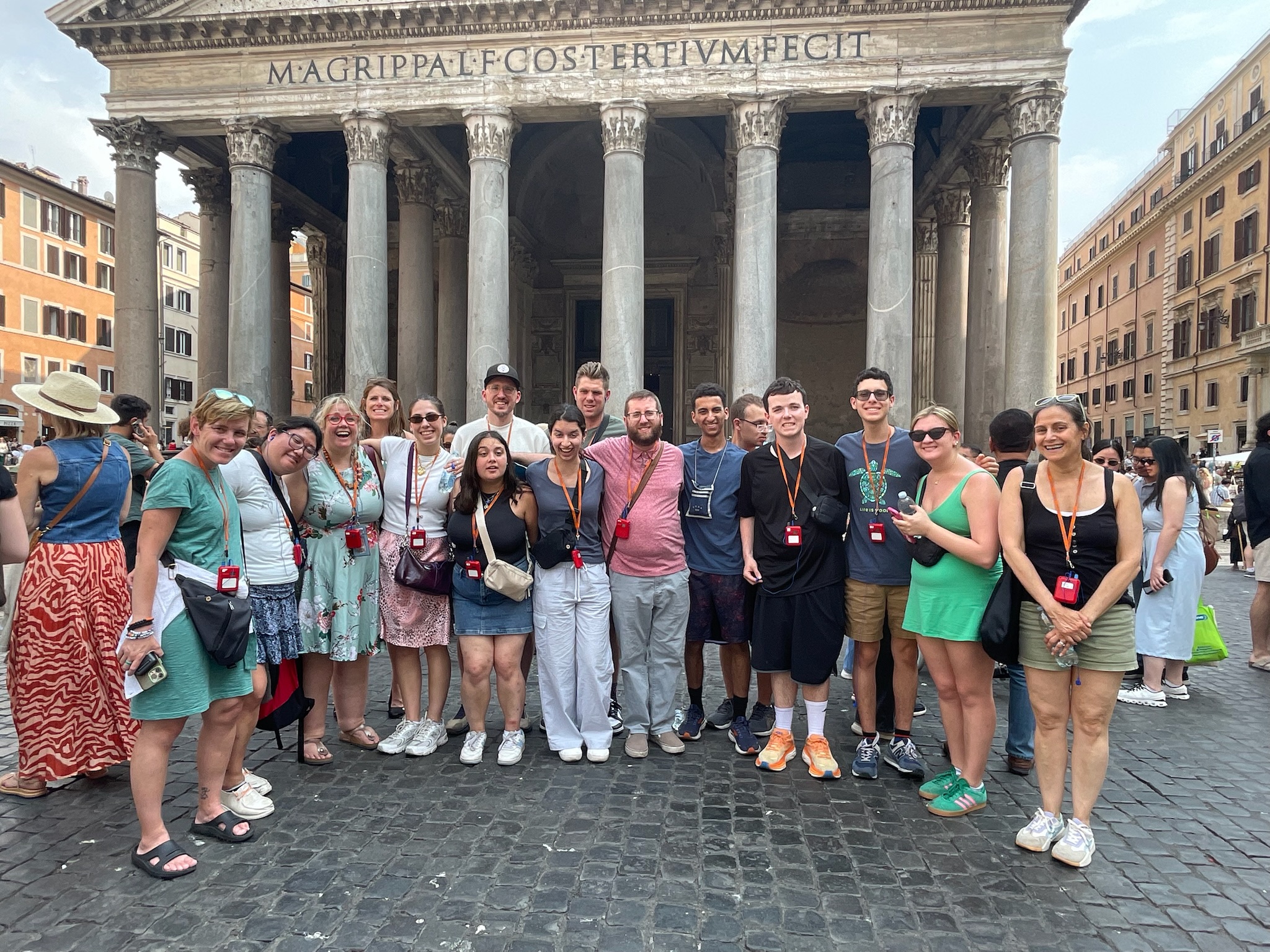
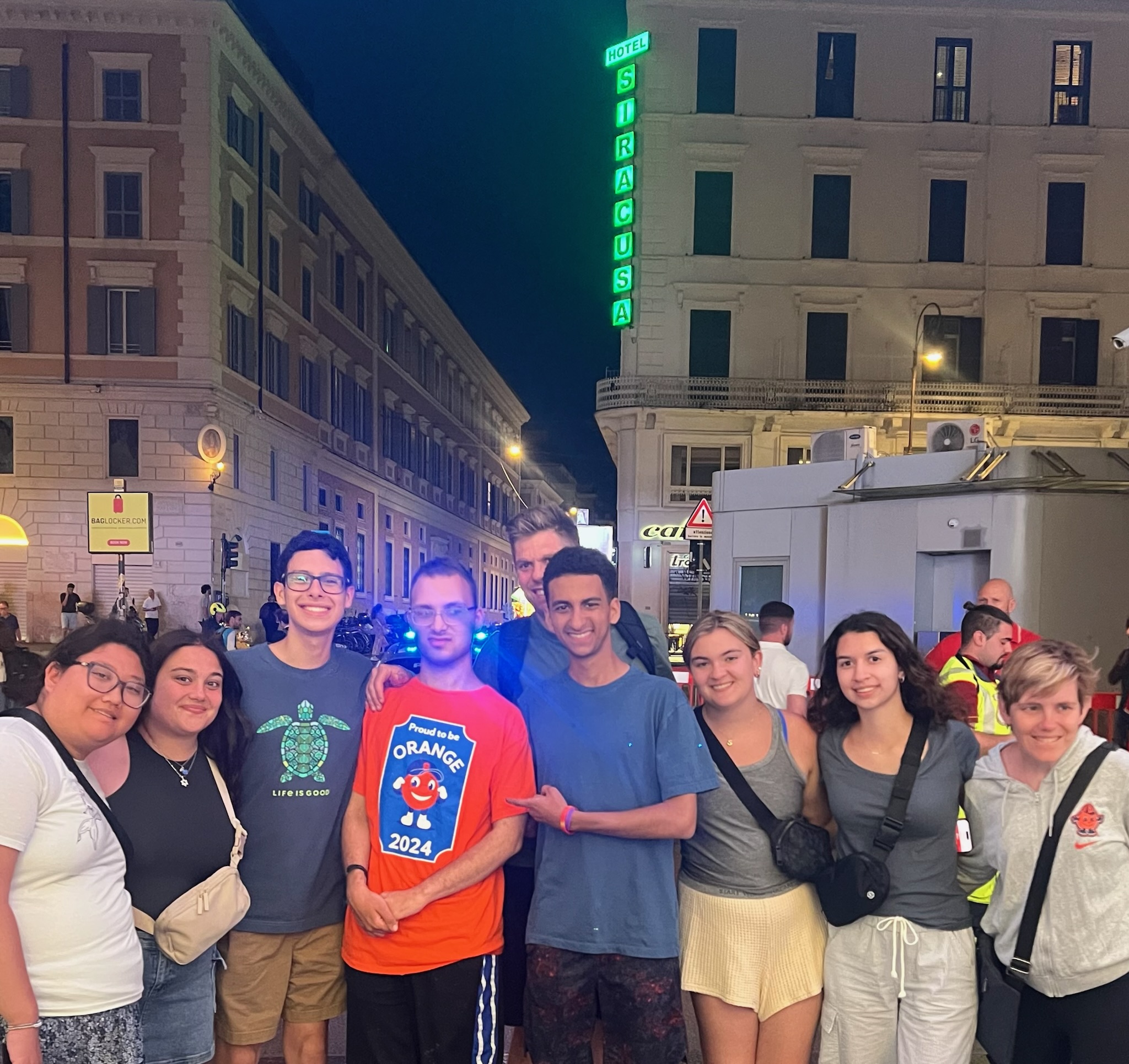
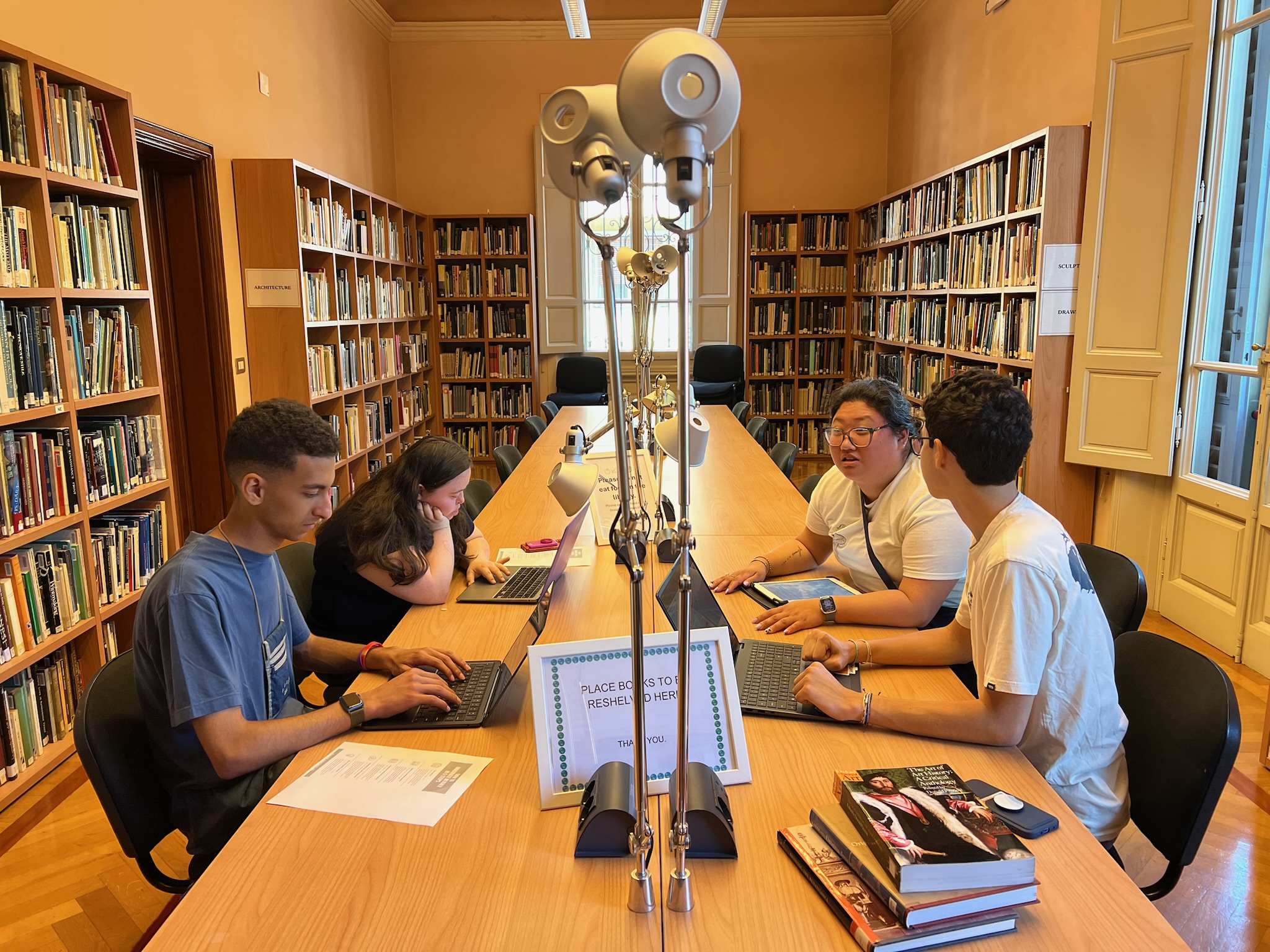
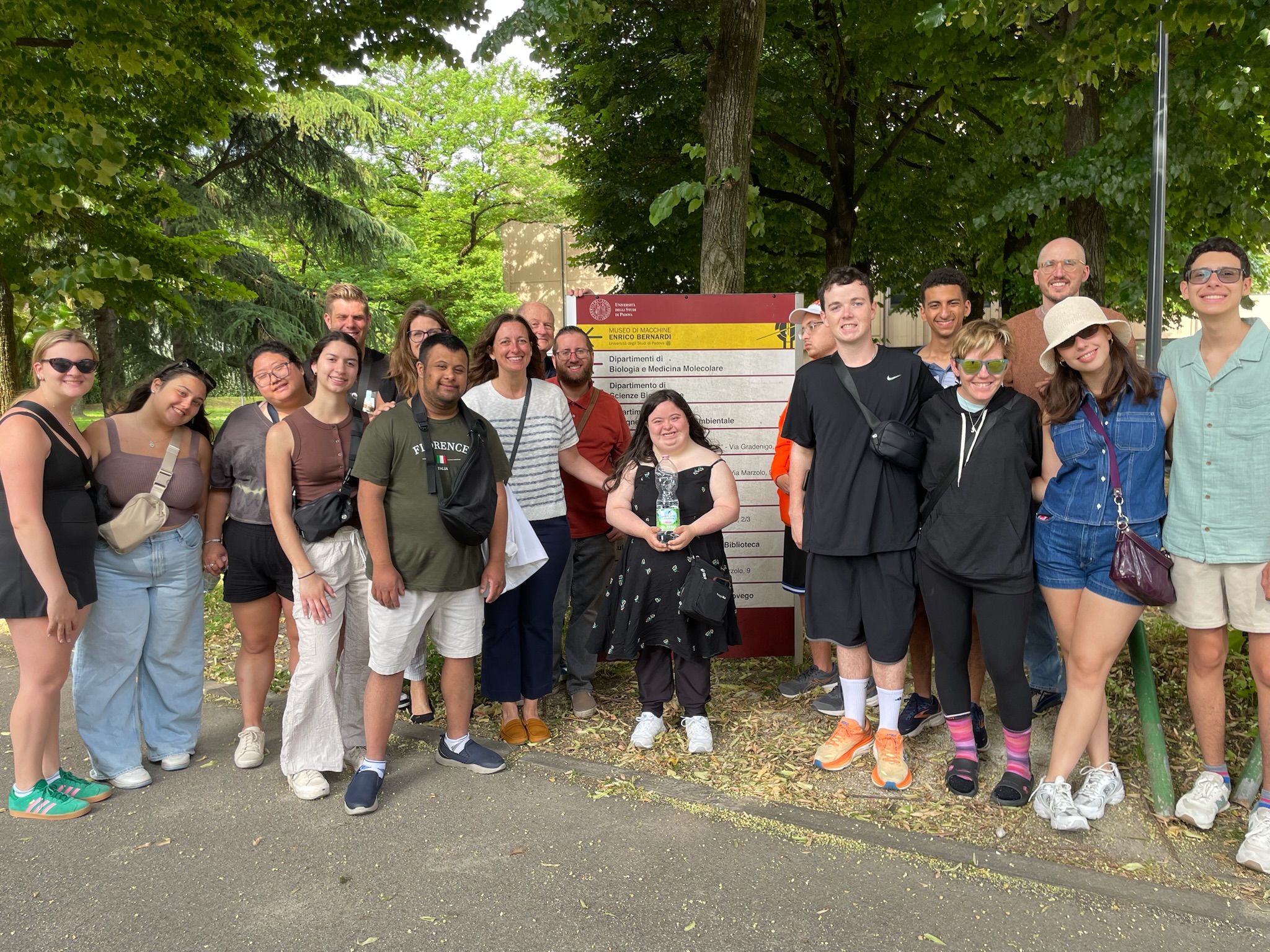
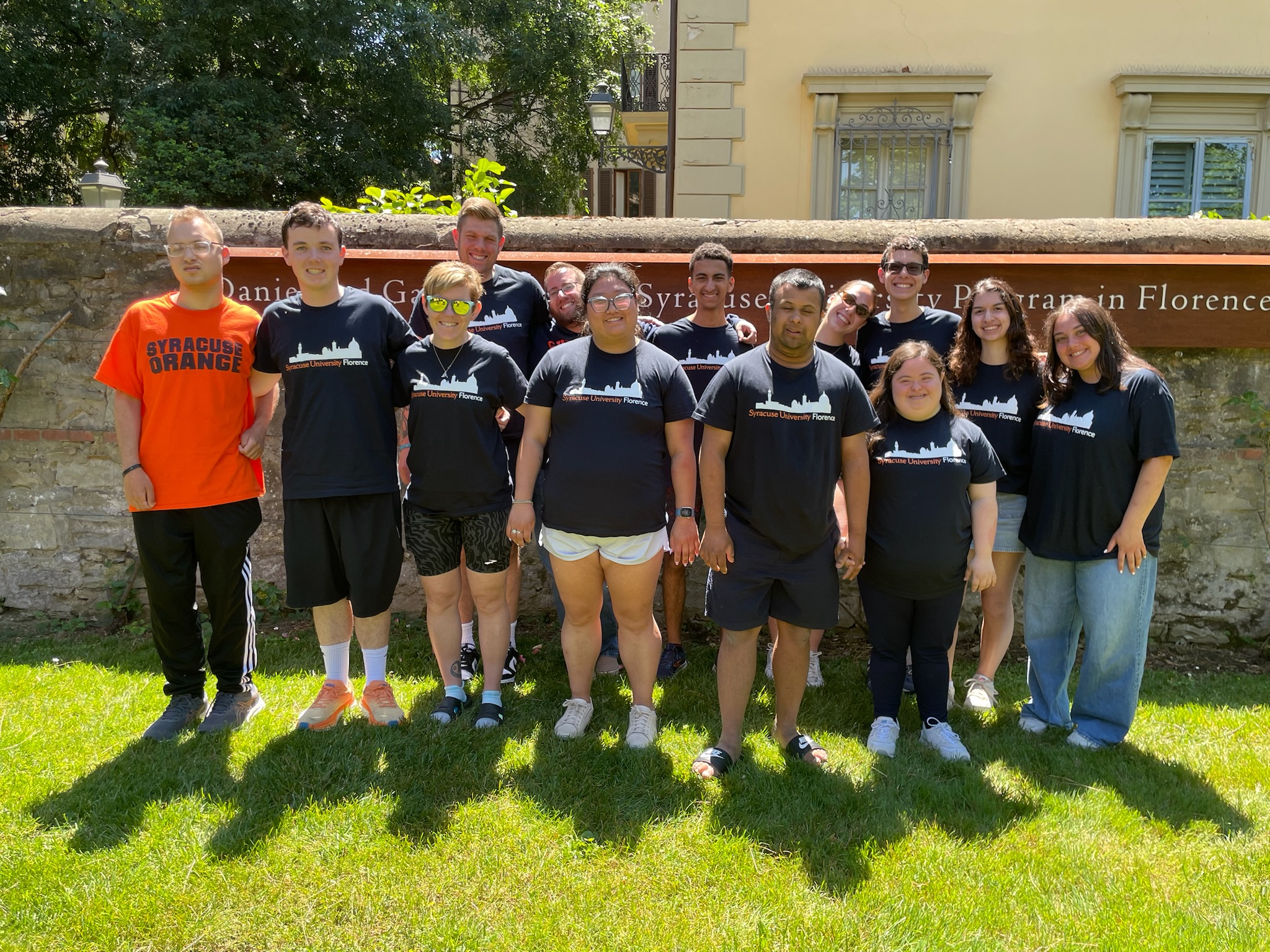
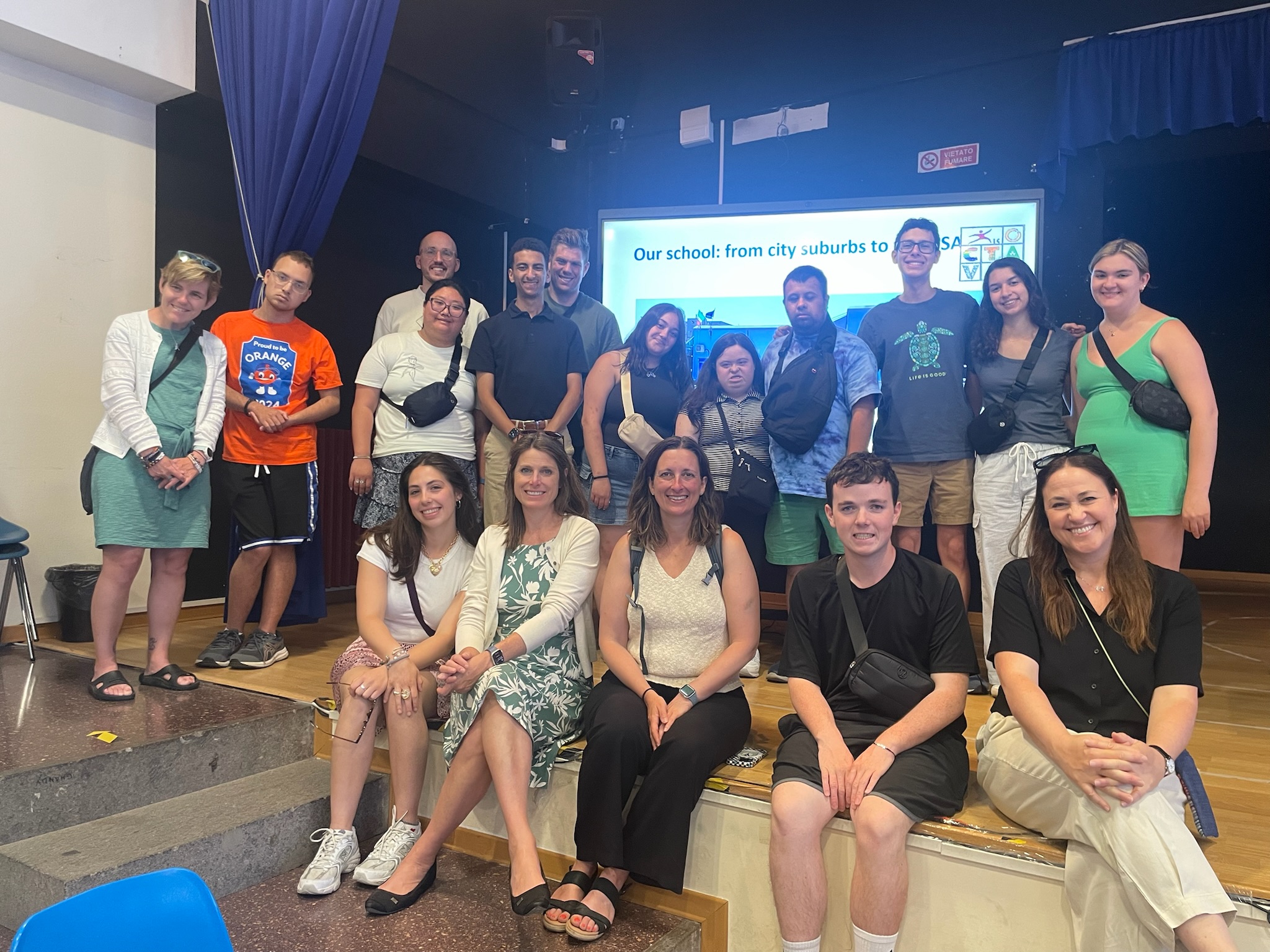
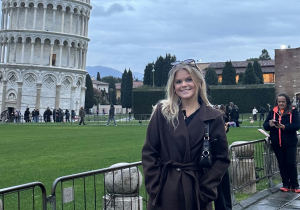
I participated in a Study Abroad course offered by the School of Education titled “EDU 400 – Inclusive Schools & Societies: Lessons from the Italian Context.” As part of this two-week experience, I, along with thirteen other students and four faculty members, traveled across Italy to explore its rich culture, history, and commitment to inclusive education in its schools. We traveled to Florence, Padua, Venice, and Rome, where we visited art museums, participated in walking tours, attended class sessions, and observed elementary, middle, and secondary school classrooms. Most of the work we did included completing course readings centered on Italy’s inclusive education policy integrazione scolastica, attending classes at the Syracuse University Florence Center among other locations, and completing observation notes and reflections based on our visits to Italian schools and universities. I most enjoyed the sense of community that this experience created between myself and the rest of the group. We have grown very close to each other over the course of this two-week adventure, all while learning about Italian schools and culture. It was also very interesting to visit and observe classrooms in countries other than the United States and make comparisons between the two.
Something that surprised me about this experience that I was not expecting to encounter was how different Italian classroom culture is than that of classrooms in the United States. While, prior to entering the Italian schools, we completed readings and discussed how Italian classroom culture is more family-like than that of classrooms in the United States, it was truly amazing to be present in those Italian classrooms where the teacher and students had such close relationships with one another.
This experience contributed to my overall academic and professional goals by sparking an interest within me regarding international education systems, how they compare to those of the U.S., and why, in most areas, they are more successful in educating their respective countries’ youth population. Specifically, this experience helped me frame my Honors thesis around such a comparison, and I am excited to explore this topic further with my advisor over the next couple of years.
I plan to create my thesis project surrounding Italian and international education in mathematics and comparing it to that of the United States.
Receiving an award from Honors supported me in this experience by giving me the financial means to participate in this amazing opportunity.
I would like to thank Dr. Christine Ashby and Dr. Beth Myers for leading this incredible opportunity, as well as making it accessible for me. I truly enjoyed being a part of their course, and I would highly recommend this experience to any School of Education student interested in learning more about International education systems.