Kaitlyn Kushner
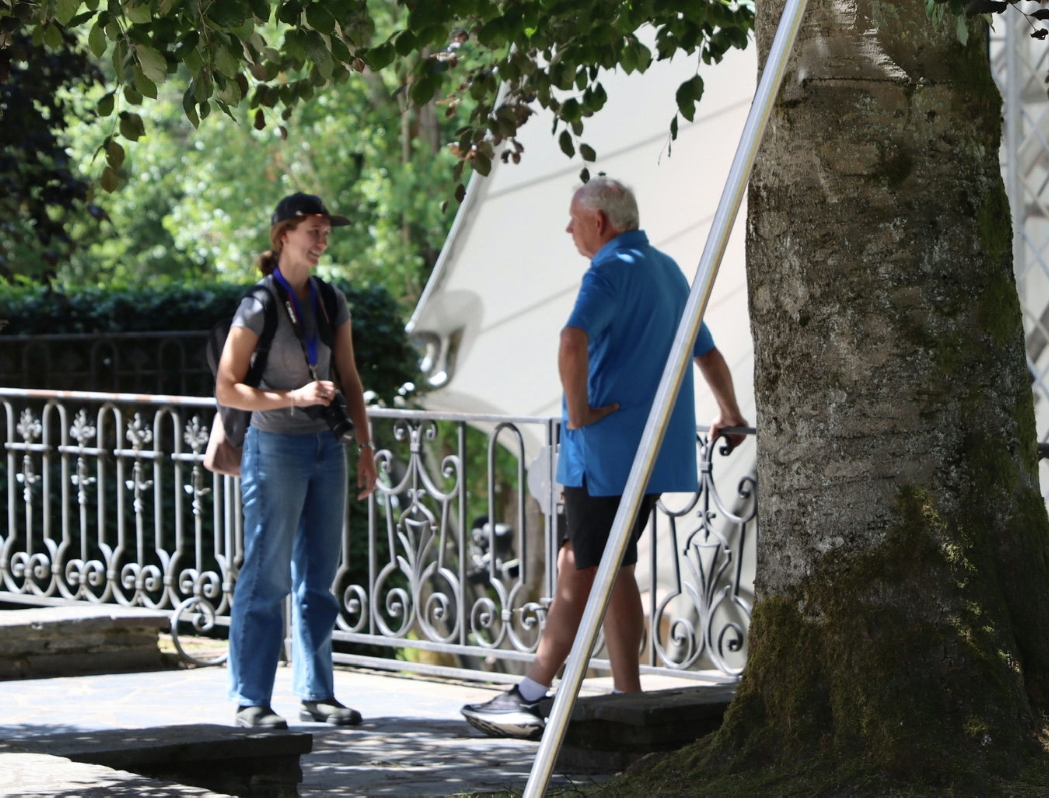
Through my documentary project, which I have titled “Your Good Name and Your Family,” I sought to chronicle an authentic and engaging story of the life of my Great Uncle George, a U.S. serviceman during World War II, provide a personal commentary on the effects of war, and encourage dialogue about the interpersonal ethics of warfare. Through in-depth research, I analyzed binders of information, sorted through family heirlooms, and crafted an in-depth timeline of my Great Uncle’s life. Further, I joined the World War II Foundation in Europe over the summer, where I was able to learn more about the team’s documentary production process in a hands-on manner and work on my piece with their guidance. Throughout the summer work, I most thoroughly enjoyed the development time in small groups with the producers from the World War II Foundation as well as learning from my peers in a fieldwork setting. All in all, I believe that my documentary project will continue to promote complex conversations about how the effects of war have challenged societies on the level of the individual and question how our society addresses these effects today.
A part of this journey that surprised me was the level of emotion that I felt when I visited my Great Uncle’s resting place in Luxembourg. Although I never knew my relative, I felt so connected to him from all of my research and work that I was overcome with emotion when I arrived. This moment will stick with me for the rest of my life, and I am so grateful for the personal time I was able to spend there in the Luxembourg-American Cemetery.
I can hardly begin to describe all of the insight I have already gained from this experience. One example of tangible knowledge I gained includes enhanced technical ability when using handheld cameras. In addition to better understanding the capabilities of my Canon EOS Rebel T3i, I learned more about industry-standard cameras and how their usage abroad differs from their usage in the United States. Additionally, I learned a lot about on-site production internationally and the development of a mental shot sequence (or more so, the idea of how to “shoot to edit”). This list could definitely go on and on, especially with all that I have learned about historical and archival research techniques, and I am excited to see what else I learn on this journey.
In terms of further development and final deliverables, I am excited to showcase my documentary that I aim to put on a public platform after continued production and post-production work. This will have a runtime of approximately ten minutes. However, I will consider developing a longer version for personal use. Additionally, I am excited to further discuss how I will enhance this project in the spring term with my advisor, Professor Shaina Holmes. I have a few ideas so far in addition to the ten-minute piece, and I am excited to further explore them.
Because of the award I received from the Renée Crown Honors Program, I was not only able to produce a documentary piece that remains close to my heart, but I also was able to learn from experienced professionals I would not have had the chance of collaborating with otherwise. My award from the Renée Crown Honors Program truly helped bring my project and the experiences associated with it to life.