Paige Doherty
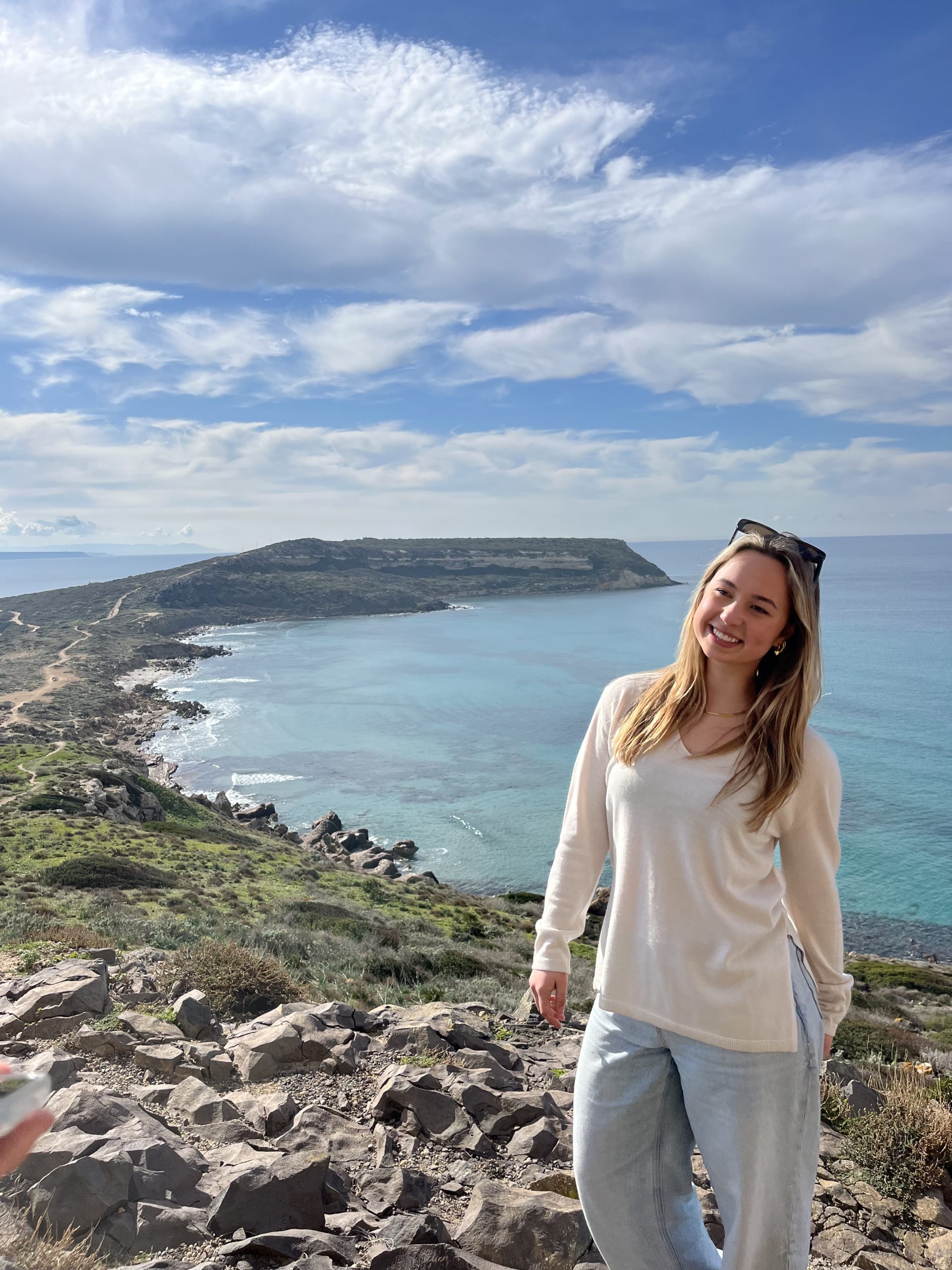
My study abroad experience was an immersive academic and cultural journey in Syracuse University Honors Program’s spring architecture program in Florence. As an architecture student, I maintained an intensive studio schedule that was complemented by frequent site visits and weekend travel seminars, including a particularly impactful trip to Sardinia, where I was able to examine architecture through a broader global lens. Much of my time was dedicated to design research, sketching, and critically analyzing historic and contemporary spaces, which deepened my understanding of how architecture responds to cultural context. For my final project, I designed a playground for a local school centered on fostering community engagement, inclusivity, and a sense of togetherness—an experience that reinforced my passion for socially responsive design. Beyond the academic rigor, I cherished being fully immersed in Florence’s architectural heritage and cultural life, an opportunity that felt both rare and transformative.
One of the most surprising aspects of my experience was learning about the architectural legacy of Benito Mussolini and his regime’s influence on the built environment in Sardinia. Prior to this trip, I had little understanding of how Fascist ideology physically manifested in Italy’s regional architecture, particularly in areas beyond the mainland. In Sardinia, I encountered rationalist buildings and planned developments that were commissioned during Mussolini’s rule, many of which were intended to project power, order, and modernity while asserting political control over the island. It was fascinating to see how architecture functioned not merely as design, but as a deliberate political instrument—shaping civic identity and reinforcing national narratives. This deeper awareness transformed the way I interpret urban spaces, reminding me that architecture often carries layered historical and ideological meanings that are not immediately visible.
My semester in Florence fundamentally reshaped how I think about my role as a designer. Rather than viewing architecture solely as the creation of individual buildings, I began to understand it as part of a much larger cultural, historical, and social continuum. Studying within a city layered with centuries of architectural dialogue challenged me to think more critically about context, permanence, and responsibility—how every intervention contributes to an ongoing narrative. Professionally, this experience strengthened my ability to observe, document, and analyze space with greater rigor, skills that will directly inform both my thesis work and future practice. More broadly, it clarified my aspiration to pursue architecture that is not only technically and aesthetically thoughtful, but also deeply attuned to the communities and histories it serves.
Building on my study abroad experience in Florence, I plan to further develop the ideas I explored there through my upcoming undergraduate thesis project. My thesis will focus on researching, designing, and ultimately implementing a contemporary “third space” for children—a welcoming, community-centered environment where they can gather, interact, and cultivate a sense of belonging in response to the increasing social fragmentation of the digital age. The site visits, studio projects, and urban analyses I conducted abroad strengthened my understanding of how architecture fosters social interaction and shapes collective identity, lessons that directly inform this work. In particular, my playground design project in Florence deepened my interest in designing for inclusivity, accessibility, and shared experience, principles that will anchor my thesis research and design process. By translating the cultural awareness and human-centered design strategies I developed abroad into a tangible, community-based intervention, I hope to create a space that meaningfully promotes togetherness and reaffirms architecture’s social responsibility.
Receiving support from the Syracuse University Honors Program made a meaningful difference in my ability to fully engage in this study abroad experience. The award helped offset some of the additional costs associated with living and studying in Florence, allowing me to focus more intentionally on my academic work and immersive learning opportunities rather than financial stress. It also enabled me to participate in site visits and academic travel. Beyond the financial assistance, receiving the award reinforced that my academic goals and creative pursuits were valued and supported by the Honors community. That encouragement gave me an added sense of responsibility and motivation to make the most of the opportunity. I was glad that this grant helped prevent a scenario where a unique opportunity or cultural immersion was missed and skipped due to financial strain.