Sarah Alamarie
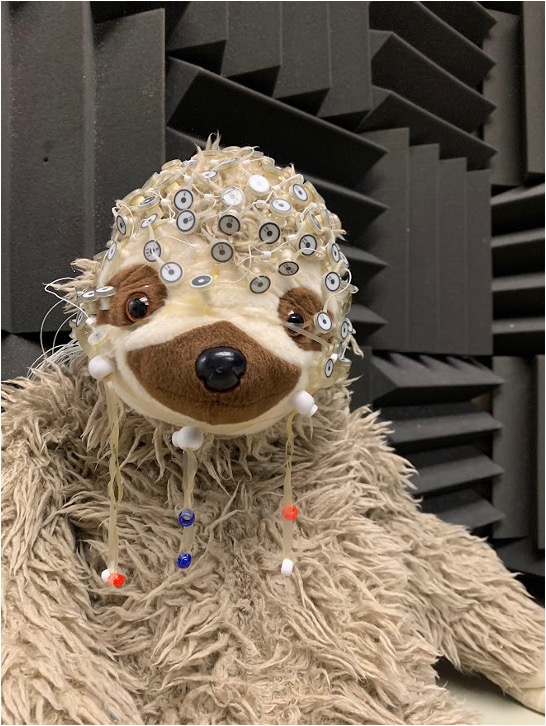
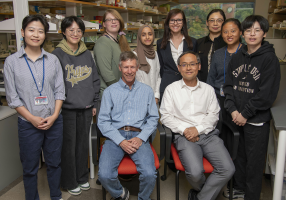
In the summer of 2025, I continued working in the C.A.R.E. Lab (Center for Autism Research and Electrophysiology) at Syracuse University, a clinical research lab focused on autism and neurodevelopment. This was a combined research and clinical experience where I collected and scored data for my senior honors thesis and conducted EEG sessions with participants who had recently received autism diagnoses. My responsibilities included administering behavioral measures, managing EEG equipment, assisting graduate students with their research projects, and helping with data cleaning and organization. Through this role, I was able to strengthen both my technical and clinical skills while contributing to ongoing research. What I enjoyed most was the opportunity to work directly with participants and be part of a team conducting meaningful, hands-on work in the field of autism research.
During this experience, I had the opportunity to work with autism-related measures that I hadn’t previously administered or scored, which gave me a deeper understanding of how adaptive behavior and social functioning are evaluated in clinical research. I also collaborated with graduate students on their theses and was able to help out with data collecting. One of the most valuable aspects of the experience was learning how to use MATLAB to perform Independent Component Analysis (ICA) for EEG data cleaning. Although I was familiar with EEG data conceptually, engaging with it at this level gave me hands-on insight into the complexity of working with neurophysiological data. This experience strengthened my confidence in using advanced research tools and expanded my technical skill set in a meaningful way.
This experience played a major role in supporting both my academic and professional development. It allowed me to make significant progress on my honors thesis, while also gaining clinical hours required for my Physician Assistant (PA) school applications. Working directly with participants and engaging in data collection and analysis gave me hands-on experience that enhanced my confidence and skill set. It confirmed my passion for working in healthcare and research, particularly with neurodiverse populations.
I plan to continue analyzing the data I collected over the summer as I complete my honors thesis during the academic year. I also hope to present my findings at an upcoming research fair and share the results with the broader academic community. Additionally, the skills I gained—especially in EEG processing and data analysis—are ones I intend to build on through future research involvement and in clinical roles as I prepare for a career in healthcare.
Receiving the Academic Enhancement Award allowed me to make meaningful progress on my honors thesis while simultaneously gaining valuable clinical experience for my future career. I was able to dedicate time to collecting and analyzing thesis data, conducting EEG sessions, and contributing to ongoing research in the lab. The support from Honors made it possible for me to stay engaged in both the academic and clinical aspects of my work throughout the summer. I’m truly grateful for this opportunity, which helped me grow as a student, researcher, and aspiring healthcare professional.