Daniella Jacob
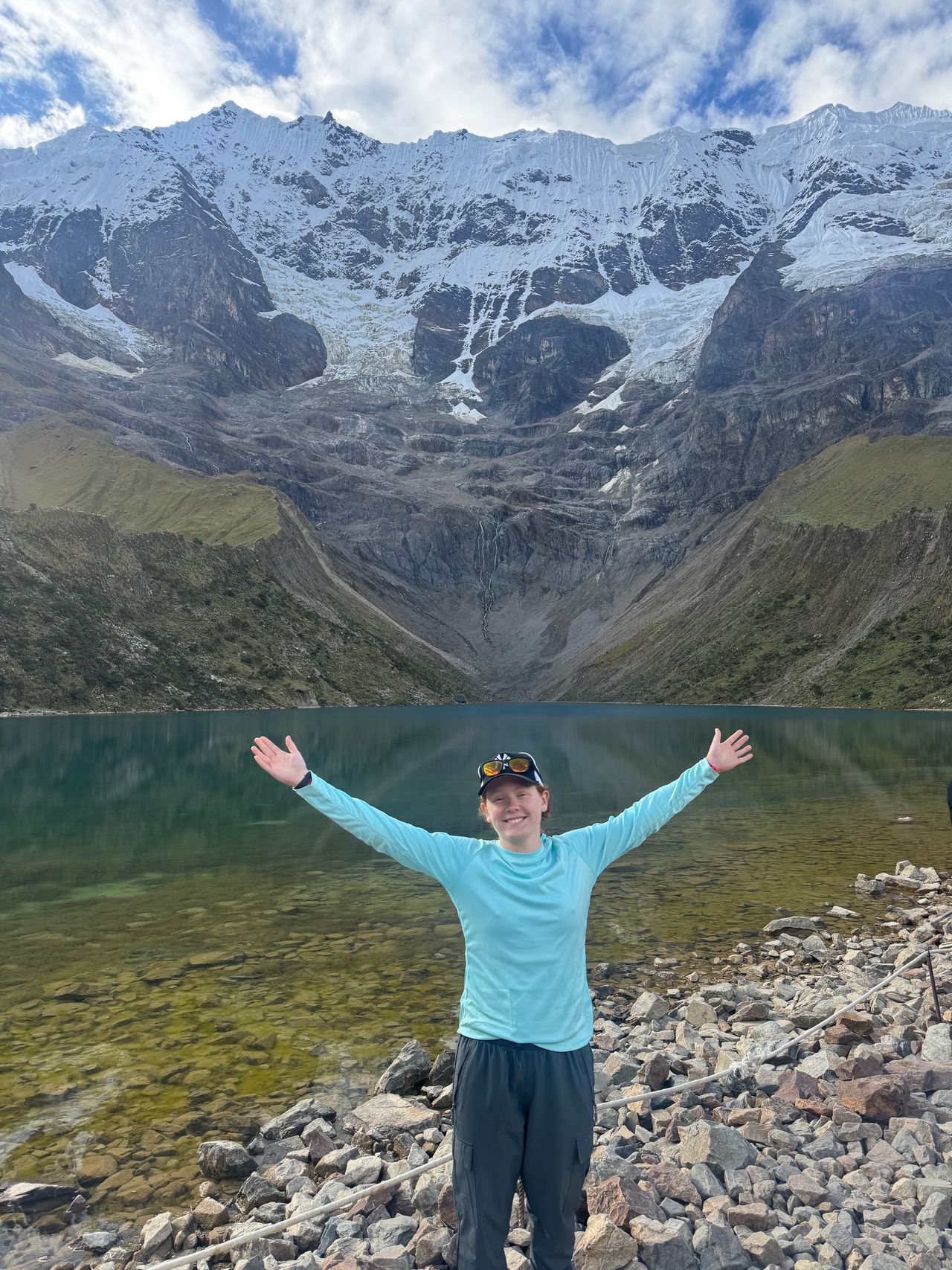
The Peru-Machu Picchu trek trip was an amazing experience and one that I will never forget. Over the two weeks, we traveled between two cities, Lima and Cusco, and got to observe a lot of the history and historical sites in the area, as well as the present-day culture. We also spent a lot of time learning about exercise and altitude, the physiology behind it, and the implications a high-altitude environment has on many different facets of peoples’ lives. The trip culminated into a 5-day hiking trip to Machu Picchu that allowed us to experience the altitude-related changes we had been learning about. With some days having more than 15 miles of hiking, it was not easy, but was definitely worth it in the end. Receiving an award from Honors allowed me to fully immerse myself in this experience and take advantage of as many opportunities as I could while on the trip. This trip allowed me to grow immensely, both personally and professionally, and I am so grateful to the Syracuse Exercise Science department and the Honors program for allowing me this incredible experience.
I knew very little about the rich and complex history and culture in Peru before going on this trip. Along with learning a lot about performance at altitude, we spent a good amount of time with various local guides learning about different historical sites and how they contributed to the history of Peru. Before going on this trip, I was not expecting to learn as much about this as we did, but I am so glad we were able to.
This experience taught me a lot about what a career in exercise science research would look like. It allowed me to learn a lot about the current research in this field, specifically pertaining to performance at altitude. It sparked an interest in this topic in me, and I hope to continue learning and researching about it more as I continue my time at Syracuse and once I start my career. I would like to continue learning and researching about exercise at altitude, and how exercise physiologists can use this knowledge to help high-level athletes become even better. As I discovered on this trip, there are various altitude-based training regimens that professional athletes use to help them become better and gain an edge on their competition. I would like to keep learning about the physiology and effectiveness behind these approaches, how much of a difference they are really making for athletes, and how we can improve them to make them even more effective.